Succession
How John Ternus became Tim Cook's successor as Apple's CEO, effective September 1, 2026 — full context, candidates considered, transition mechanics, and frequently asked questions.
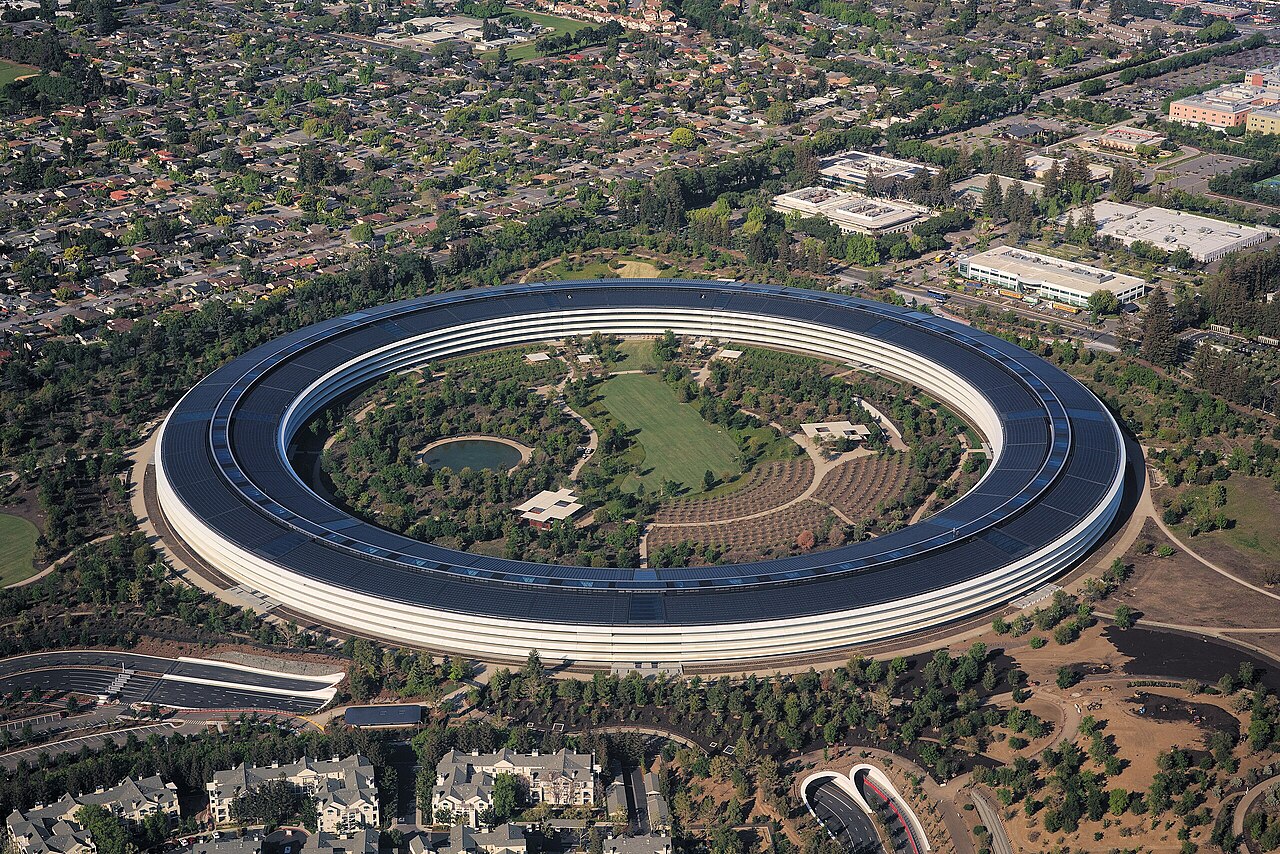
On April 20, 2026, Apple announced in an official communiqué that Tim Cook will step down as CEO and that John Ternus, currently Senior Vice President of Hardware Engineering, will be Apple’s next Chief Executive Officer, effective September 1, 2026. Cook becomes Executive Chairman of the Board of Directors and will continue engaging with certain aspects of the company, including relations with policymakers around the world.
This page is the full context of the transition: who Cook was, why Ternus, who was passed over, how the handover works, and what to expect from Ternus’s first twelve months in the role.
The Cook era (2011–2026)
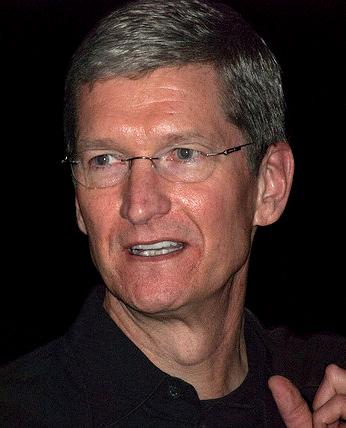
Tim Cook took over as Apple’s CEO in August 2011, succeeding Steve Jobs a few weeks before Jobs’s death. Fifteen years later, he hands over:
- Apple crossed $3 trillion in market capitalization, the first public company ever to do so.
- Annual revenue around $400 billion, with consistent operating margins above 30 %.
- Apple Silicon, the largest technical repositioning of the company since the PowerPC → Intel transition in 2006.
- Four new product categories: Apple Watch (2015), AirPods (2016), HomePod (2017), Apple Vision Pro (2024).
Cook is, by every financial metric, the most successful CEO in modern corporate history. No CEO transition happens in a vacuum, and Ternus’s transition happens at a company in a state of exceptional execution.
The candidates
Before the announcement, external analysts had a short list:
Craig Federighi — SVP of Software Engineering
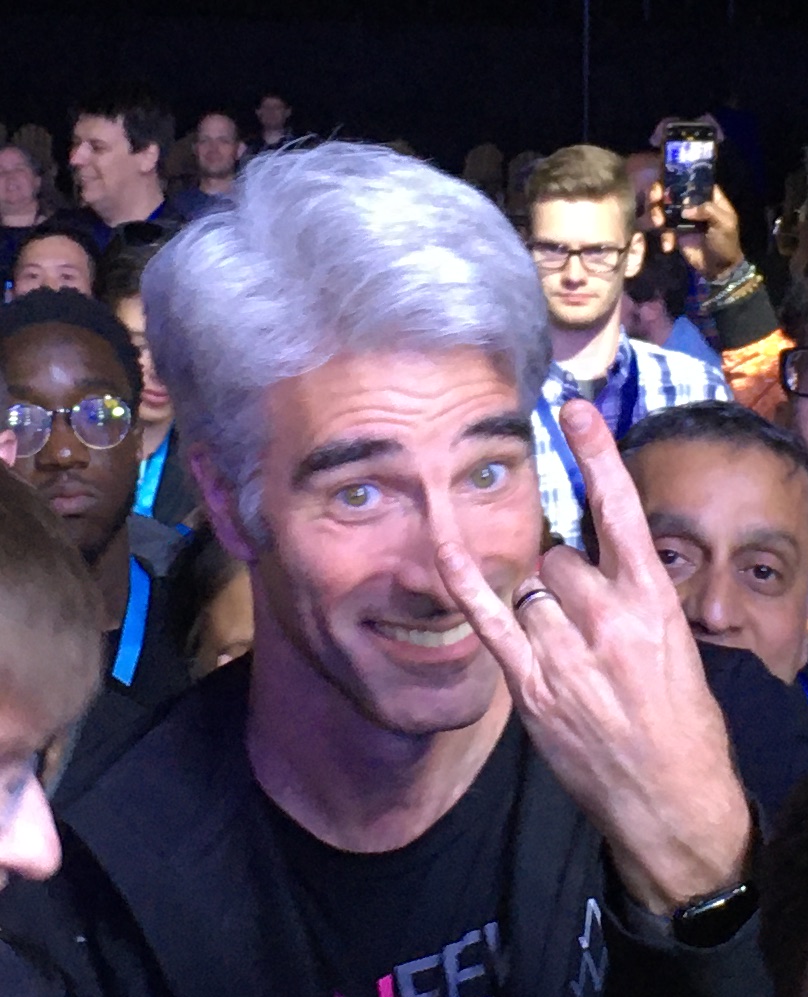
Federighi was the press’s favorite. More stage time, more sympathy points, the hair. Software was the dominant industry narrative since 2010. But Federighi never ran hardware, and Apple’s economics are fundamentally hardware-driven — 80 % of 2025 revenue came from physical products.
Greg “Joz” Joswiak — SVP of Worldwide Marketing
Joswiak was the longest-tenured internal name (joined Apple in 1986). Expert in product launches and press relations. But marketing as a route to Apple’s CEO seat had no precedent.
Jeff Williams — COO
Williams was the obvious heir to Cook’s operational legacy. But Williams announced retirement in 2025, removing himself from contention.
John Ternus — SVP of Hardware Engineering
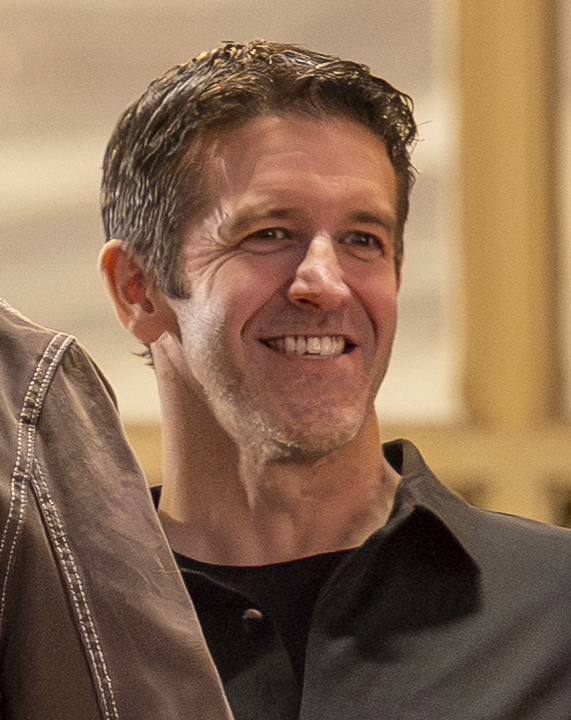
The internal pick. See the detailed analysis of the choice.
The transition
| Date | State |
|---|---|
b.2026.04.20 | Public announcement. |
b.2026.04.20 → b.2026.08.31 | Cook remains CEO. Ternus in internal transition. |
b.2026.09.01 | Ternus officially takes over as CEO. |
b.2026.09.01 → | Cook as Executive Chairman of the Board. |
The 134-day window between announcement and effective date is longer than the typical American CEO-announcement (usually 30–60 days). It signals Apple wants a slow, deliberate transition — particularly important because the announcement falls between the June 2026 WWDC (which Ternus presented several segments at as SVP) and the September/October 2026 event (likely his first as newly-installed CEO).
What changes in the first twelve months
The most defensible read: little will change publicly in the first twelve months. Cook built a very efficient executive machine. Ternus has zero incentive to mess with what’s running.
Where you might see change:
- Multi-year custom-silicon bets — Apple modems (in progress), baseband, neural compute, possibly RDNA-style discrete GPUs.
- Next new product category — health, consumer robotics, or a new lighter glasses form factor. It will be hardware-heavy, and Ternus is the kind of CEO who approves hardware-heavy projects.
- Supplier policy — TSMC, Foxconn, Samsung Display. When the CEO can read a datasheet, the dynamic changes.
See What does it mean to have a hardware CEO? for the structural analysis.
What probably doesn’t change
- Financial cadence. Quarterly reports, buybacks, dividend.
- Industrial design pipeline. Jony Ive left years ago. Ternus inherits the current team.
- Public posture. Apple won’t become a roadmap-loquacious company.
- Consumer privacy focus. It’s a brand pillar, not a technical differentiator.
Frequently asked questions
Who is Apple’s next CEO?
John Ternus, current Senior Vice President of Hardware Engineering, currently 51 years old. Ternus has been at Apple since 2001 and was promoted to SVP in 2021.
When does John Ternus take over as CEO?
On September 1, 2026, per Apple’s official announcement on April 20, 2026.
What happens to Tim Cook?
Cook becomes Executive Chairman of Apple’s Board of Directors, remaining engaged with certain aspects of the company including global policymaker relations.
Why Ternus, not Craig Federighi?
The short version: because Apple is a hardware-first company, and Ternus ran the most consequential hardware portfolio in the company’s recent history without significant public delays. The long version: /en/analysis/why-ternus-not-federighi/.
Has John Ternus been a CEO before?
No. This is the first CEO position of Ternus’s career. He’s a career engineer; he has not gone through finance, sales, or marketing.
How old is John Ternus?
51 in 2026 (born 1975).
Is John Ternus married?
Yes. Married, with children. Lives in the San Francisco Bay Area.
Official documents
See also
- Full biography of John Ternus
- Timeline — career milestones
- Hardware under his leadership — products
- Why Ternus, not Federighi? — essay on the choice